
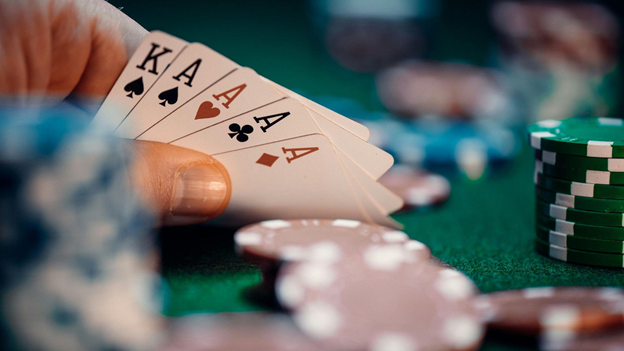
Position and bluffing give you control over how each hand plays out. These two skills directly affect your winnings and your ability to manage risk. Position tells you when to act and how much information you have. Bluffing helps you win pots without the best hand. Focus on how you act, not just what cards you hold.
This article shows how both tools work and how you can use them in real games.
Position in Poker Gives You a Clear Advantage
Position means your seat order in relation to the dealer. Acting later gives you more information and better control. Late position lets you see what other players do before you decide. Early position forces you to act with less information, which increases risk.
Why Late Position Works Better?
Late position gives you more control over the hand. You can adjust your strategy based on what others do.
You gain these advantages in late position:
- See opponent actions before you decide.
- Control the pot size more easily.
- Steal blinds when players show weakness.
- Choose safer or more aggressive moves with confidence.
Good players play more hands in late position because they make more informed decisions.
Common Position Errors You Should Avoid
Many players lose chips because they ignore position. They focus only on their cards and miss key information.
Avoid these mistakes:
- Playing weak hands from early position
- Calling without considering the players behind you
- Bluffing without position advantage
- Overvaluing hands when acting first
You improve your game when you respect position in every hand.
Bluffing Helps You Win Without the Best Hand
Bluffing puts pressure on opponents to fold stronger hands. It helps you win pots even when your cards are weak. Without bluffing, your play becomes easy to read. Strong bluffing depends on logic, not emotion. Random bluffing leads to losses.
When You Should Not Bluff
Bluffing fails when opponents refuse to fold or when conditions do not support your story.
Avoid bluffing when:
- You face multiple opponents.
- Opponents call too often.
- Aggressive players stay in the hand.
- The board clearly favors your opponents.
Smart players choose spots carefully instead of forcing bluffs.
Position and Bluffing Work Better Together
For the best results, combine position and bluffing. Late position gives you the information you need to bluff more effectively. If players check or show weakness, you apply pressure with a well-timed bluff. This increases your success rate and reduces unnecessary risk.
Reading Players Improves Your Decisions
You win more when you study how opponents play. Every action gives you information. You just need to notice it.
Focus on these signals:
- Slow or unsure betting often shows weakness.
- Sudden aggression may signal strong hands or bluffs.
- Passive players often fold under pressure.
- Betting patterns repeat over time.
Faster adjustment based on what you see at the table. Sharpen your skills by practicing in a real-time environment like the best live casinoplatforms. These games force you to read real players and react quickly, which builds stronger decision-making skills.
Wrapping Up
Position and bluffing shape how you win in poker. Position gives you information and control. Bluffing lets you win even when you miss the board. Together, they create a stronger and more strategic game. Practice consistently, stay observant, and you will make smarter and more profitable plays.