
Affiliate marketing has grown into one of the most powerful ways to earn money online. In 2024, the global affiliate marketing industry was valued at $18.5 billion, and it is expected to cross $31 billion by 2031. More than 81% of brands now use affiliate marketing as part of their strategy. For every dollar spent, businesses earn an average of $6.5 in return. These numbers show just how effective and scalable this model has become for both brands and individual marketers.
Within affiliate marketing, different commission models exist to suit different goals. One of the most popular is the cost-per-action model. CPA affiliate programs pay you a fixed amount each time a user completes a specific action, such as signing up, filling out a form, or making a purchase. This model is especially attractive because it offers clear, predictable earnings without waiting for long-term revenue to build up.
What Is Affiliate Marketing and How Does It Work
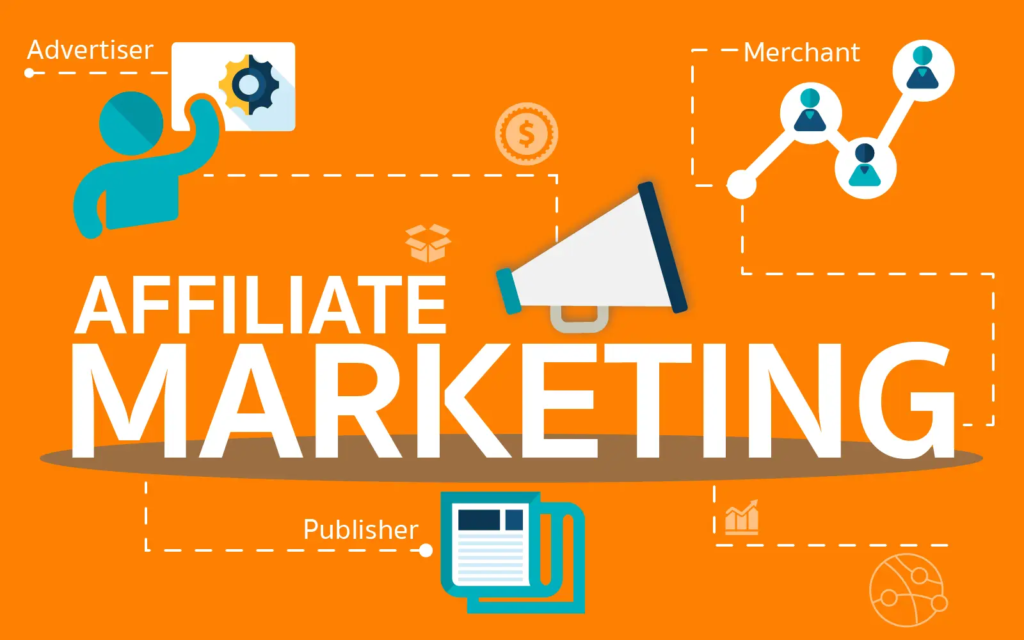
Affiliate marketing is a performance-based model where you promote a product or service and earn a commission when someone takes a desired action through your link. There are three main parties involved:
- The merchant or advertiser who owns the product
- The affiliate or publisher who promotes it
- The customer who clicks and converts
You receive a unique tracking link from the merchant. When someone clicks your link and completes the required action, the system records it and credits your account. Most programs use dedicated dashboards where you can monitor clicks, conversions, and earnings in real time.
Common Commission Models in Affiliate Marketing
Understanding the different ways you can earn is key to choosing the right program for your traffic and goals.
Cost Per Action (CPA)
You earn a fixed payout when a user completes a specific action. This is ideal for affiliates who want fast, upfront payments without depending on long-term customer behavior.
Revenue Share (RevShare)
You earn a percentage of the revenue generated by the customers you refer. This model builds passive income over time but takes longer to see results.
Cost Per Lead (CPL)
You get paid when a user submits their contact information or registers on a platform. This works well in finance, education, and software niches.
Cost Per Click (CPC)
You earn money based on the number of clicks your link receives, regardless of whether the user converts. This model is less common in affiliate marketing but still used in display advertising.
How to Choose the Right Affiliate Program
Not every affiliate program is worth your time. Here are the key factors to evaluate before joining one:
- Commission rate: Look for programs that offer competitive payouts relative to the niche
- Cookie duration: Longer cookie windows give you more time to earn credit for a referral
- Tracking reliability: Accurate tracking ensures you get paid for every valid conversion
- Payment schedule: Check how often and through which methods the program pays out
- Support quality: Good affiliate managers help you optimize campaigns and resolve issues quickly
- Reputation: Research reviews and community feedback before committing to a program
Best Niches for Affiliate Marketing in 2025
Some niches consistently deliver higher conversions and better commissions. These include:
- Finance and personal loans
- Health and wellness products
- Software and SaaS tools
- E-commerce and retail
- Education and online courses
- Travel and booking platforms
Each niche has its own audience behavior and traffic sources. For example, finance offers often convert well through search traffic and email campaigns, while health products perform strongly on social media and video platforms.
Tips to Succeed as an Affiliate Marketer
Success in affiliate marketing does not happen overnight. Here are practical steps to grow your results:
- Pick a niche you understand and can create content around consistently
- Build a content platform such as a blog, YouTube channel, or social media page
- Focus on solving real problems for your audience rather than just promoting products
- Test different traffic sources including SEO, paid ads, and email marketing
- Track your data and optimize campaigns based on what converts best
- Scale what works and cut what does not
Conclusion
Affiliate marketing remains one of the most accessible and scalable ways to earn income online. Whether you choose a CPA model for quick payouts or a revenue share model for long-term growth, the key is to match your commission structure with your traffic type and audience. Start by picking a reliable program in a niche you know, build consistent content, and track your performance closely. With the right approach and patience, affiliate marketing can become a steady and growing source of income.