
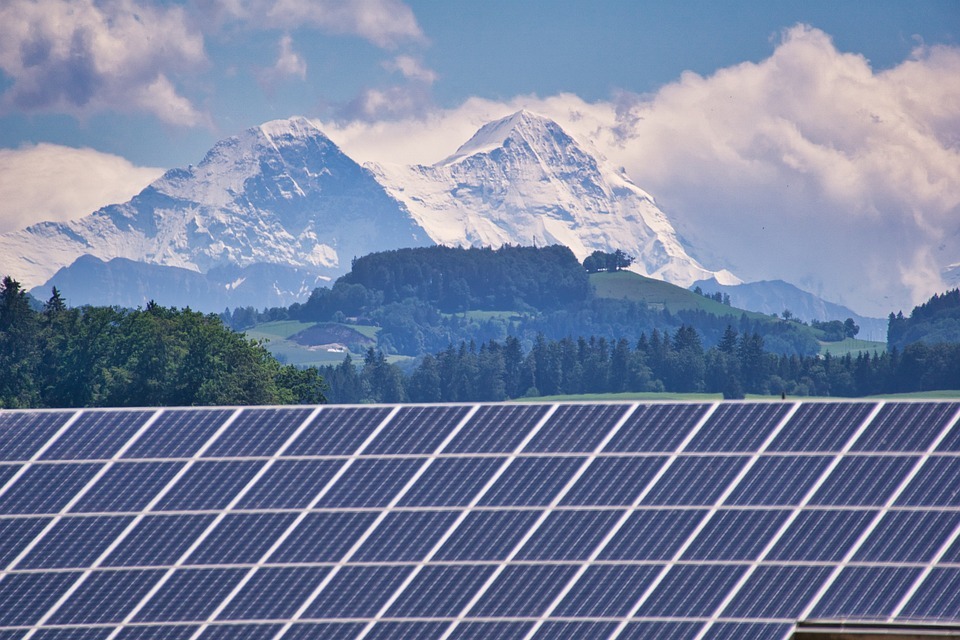
When winter arrives, the performance of a complete off grid solar system can drop dramatically due to plummeting temperatures, snow cover, and reduced sunlight. According to the U.S. Energy Information Administration, average solar power production can drop by 20% to 50% during cold months, depending on location. For homeowners who rely entirely on an off-grid solar system, these fluctuations can lead to power shortages, decreased battery performance, or system inefficiencies. Proper winterization isn’t just about insulation; it’s about protecting your investment. A complete off grid solar system integrates photovoltaic (PV) panels, batteries, a charge controller, and an inverter, all of which can be affected by low temperatures.
The Impact of Temperature on a Complete Off Grid Solar System
Low temperatures can have both advantages and disadvantages for a complete off grid solar system. While lower temperatures can improve the efficiency of PV panels—because solar cells generate electricity more efficiently in cold environments—other components present challenges. For example, batteries in off-grid solar systems are sensitive to freezing. When temperatures drop below 0°C, the electrolyte in lead-acid or lithium batteries thickens, reducing their capacity and charge acceptance.
For homeowners living in northern or mountainous areas, this problem can significantly reduce available energy storage. Studies have shown that lithium-ion batteries lose 20% to 30% of their capacity in sub-zero temperatures. To address this, high-quality systems incorporate battery heaters or temperature-controlled enclosures.
Battery Protection for Complete Off Grid Solar Systems in Freezing Conditions
Batteries are the heart of any off grid solar system, storing energy for use at night or on cloudy days. Preventing batteries from freezing is crucial in winter. For off-grid solar systems, the battery enclosure must be insulated and placed in a temperature-stable area, such as a basement, garage, or specially designed heated cabinet.
For lithium-ion batteries, the optimal temperature range is 0°C to 45°C (32°F to 113°F). At temperatures below freezing, the battery’s internal resistance increases, potentially causing a voltage imbalance and reducing efficiency. Some off grid home solar systems include an automatic battery management system (BMS) that can adjust the charging rate or temporarily disconnect the battery to prevent damage. Installing a low-power heating pad directly powered by the photovoltaic system under the battery bank is a practical and effective preventative measure. PowerDream’s engineering data indicates that maintaining battery temperatures between 50°F and 80°F can extend overall battery life by up to 30%. Therefore, winterizing your complete off-grid solar system must begin with the proper battery housing and active temperature regulation.
Improving Solar Panel Efficiency in Off Grid Solar Systems During Winter
Snow accumulation blocks sunlight from reaching the solar cells, significantly reducing the power output of an off-grid solar system. Even a light layer of snow can reduce power generation by 90%. To prevent this, solar panels should be mounted at an angle of at least 30-45 degrees to allow snow to slide off naturally.
Additionally, using anti-reflective and hydrophobic coatings can improve winter sunlight absorption. High-quality photovoltaic panels perform better in low-light conditions, making them ideal for cold climates. For off-grid solar system maintenance, homeowners should consider installing a monitoring system to track panel performance in real time. A sudden drop in power generation is likely due to snow or ice accumulation. Occasional manual cleaning with a soft, retractable snow brush ensures consistent performance without scratching the glass surface.
Adapting Inverters and Charge Controllers for Low Temperatures
Inverters and charge controllers are critical components that regulate energy conversion in a complete off-grid solar system. Low temperatures can cause condensation and damage sensitive electronic equipment. Therefore, both devices should be installed in a dry, ventilated environment with stable temperatures.
Off grid solar system inverters convert DC power to AC power, and their internal components are susceptible to freezing damage. Using an inverter rated for a wide temperature range is crucial for winter reliability. Similarly, the charge controller ensures safe battery charging. A high-quality MPPT controller automatically adjusts to changing light conditions, ensuring optimal charging efficiency even during the shorter winter days. Some off-grid home solar systems include temperature-compensated charging, which fine-tunes the voltage to prevent overcharging or undercharging the battery in cold weather.
Insulation and Wiring Considerations
Insulation and wiring are often overlooked when winterizing a complete off-grid solar system. However, cold weather can harden cables, leading to cracks and power loss. Using UV-resistant, flexible wires that can withstand outdoor use in low temperatures (-40°F/-40°C) is crucial.
Additionally, insulating conduit and junction boxes prevents moisture infiltration and ice formation. Heat-shrink tubing and weatherproof connectors are mandatory for underground or exposed connections. Wind chill can exacerbate these issues for off grid solar systems located in rural or high-altitude areas. Applying dielectric grease to connectors further prevents corrosion and ensures long-term durability. Proper insulation not only protects your electrical connections but also improves overall efficiency, helping your off-grid home solar system operate smoothly throughout the winter.
Reliable Winter Operation
Thoroughly preparing your off-grid solar system for winter requires forethought and preventative maintenance. Batteries require a temperature-controlled environment, solar panels need to be properly tilted and cleaned, and electrical components must be protected from moisture and frost. For homeowners monitoring overall energy costs and grid alternatives, understanding factors like Plano electricity rates can also help benchmark the long-term financial upside of off-grid solutions versus traditional utilities. By implementing these measures, homeowners can maintain system performance, extend component life, and protect their investment. A well-designed off-grid solar system ensures independence, resilience, and sustainability—core principles of off-grid living.