
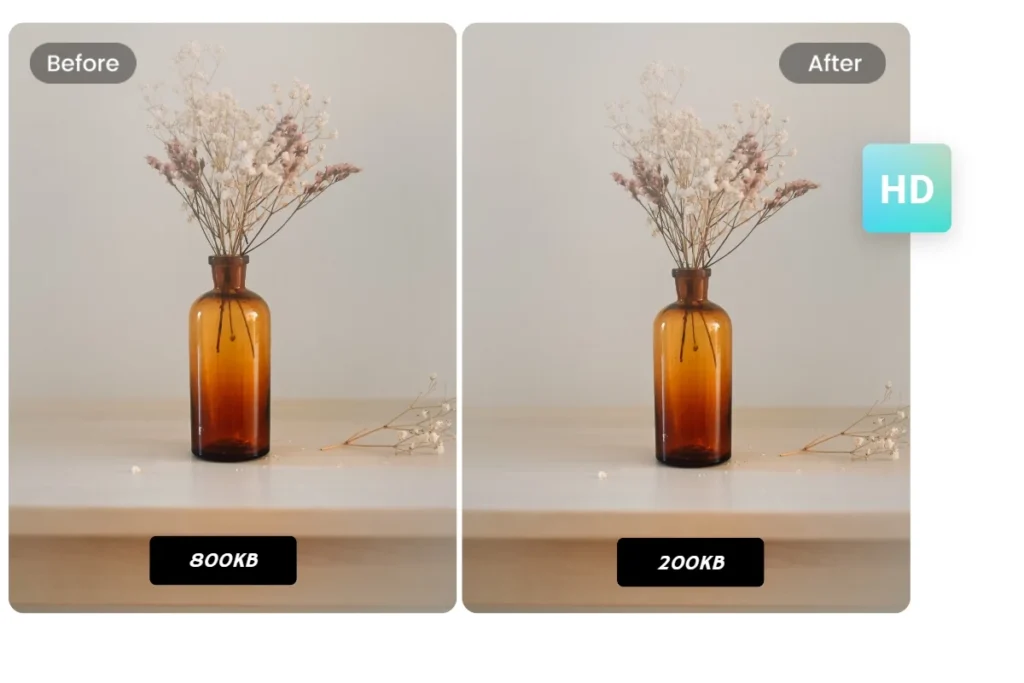
Images play a big role in how websites look and perform, but large image files can slow everything down and create a poor user experience. If your pages take too long to load, visitors may leave before they even see your content. This is why learning how to compress image files without losing quality is so important, especially for bloggers, designers, and online businesses that rely on visuals to connect with users.
The good news is that you don’t have to sacrifice clarity or sharpness when you reduce file size. With the right techniques and tools, you can compress image files while keeping high resolution intact. Platforms like iLoveImge are designed to make this process simple and effective, helping users optimize images for both speed and quality while maintaining a professional look.
Why Image Compression Matters for Websites
When you upload large images to your website, they take longer to load, which affects both user experience and search engine rankings. Google prefers fast-loading pages, so unoptimized images can hurt your SEO performance. By learning how to compress image properly, you can improve site speed, reduce bounce rates, and keep visitors engaged for longer periods of time.
Another reason image compression matters is storage and bandwidth. High-resolution images take up more space on servers and consume more data when users access them. When you compress image files efficiently, you save storage space and reduce data usage without compromising quality. This is especially helpful for websites with a large number of images, such as eCommerce stores or photography portfolios.
Understanding Image Formats and Their Impact
Before you compress image files, it’s important to understand different image formats and how they affect quality and size. JPEG is one of the most common formats and works well for photographs because it allows high compression with minimal visible loss. PNG, on the other hand, is better for graphics and images with transparent backgrounds but often results in larger file sizes.
Choosing the right format is the first step toward effective compression. Tools like iLoveImge can help you convert and compress image files in the best format for your needs. By selecting the right combination of format and compression level, you can achieve a balance between file size and visual quality that meets both user expectations and SEO requirements.
Best Techniques to Compress Image Without Losing Quality
One of the most effective ways to compress image files is by using smart compression techniques. Lossy compression reduces file size by removing some data, while lossless compression keeps all the original data intact. For most web uses, a balanced lossy compression approach works well because it reduces size significantly without noticeable quality loss.
Another important technique is resizing images before uploading them. Many people upload images in full resolution even when smaller dimensions are needed. By resizing and then using tools like iLoveImge to compress image files, you can drastically reduce file size while keeping the image sharp and clear. This combination of resizing and compression ensures optimal performance and visual appeal.
Tools That Help You Compress Image Efficiently
There are many tools available online that make it easy to compress image files quickly and effectively. One reliable option is iLoveImge, which offers a simple interface and powerful features for reducing image size while maintaining quality. It allows users to upload images, apply compression, and download optimized files in just a few clicks.
What makes such tools valuable is their ability to handle multiple images at once and apply consistent compression settings. This is especially useful for website owners who need to optimize large batches of images. By using a trusted platform to compress image files, you save time and ensure that your visuals remain professional and high quality.
Common Mistakes to Avoid During Compression
Many people make the mistake of over-compressing images, which leads to blurry or pixelated results. While the goal is to reduce file size, pushing compression too far can ruin the visual quality. It’s important to find a balance where the image still looks sharp while being optimized for web use.
Another common mistake is ignoring image dimensions and format. Simply trying to compress image files without adjusting size or choosing the right format can limit the effectiveness of the process. Using a reliable tool like iLoveImge helps avoid these issues by guiding users toward better optimization practices and delivering consistent results.
How Compression Improves SEO and User Experience
When you compress image files correctly, your website becomes faster and more responsive. This directly impacts SEO because search engines consider page speed as a ranking factor. Faster loading pages are more likely to rank higher, attract more visitors, and keep users engaged.
Improved user experience is another major benefit. Visitors expect websites to load quickly and display clear, high-quality images. By using tools like iLoveImge to compress image files, you ensure that your visuals look great while your site performs efficiently. This combination of speed and quality helps build trust and encourages users to explore more content.
Conclusion
Finding the right balance between image quality and file size is essential for modern websites. With the right approach, you can compress image files without sacrificing resolution or clarity. Understanding formats, using proper techniques, and relying on trusted tools all play a key role in achieving the best results.
In conclusion, mastering how to compress image files effectively allows you to improve website performance, enhance user experience, and boost SEO rankings. By using reliable platforms like iLoveImge and following smart optimization practices, you can ensure that your images remain high quality while loading quickly across all devices.