
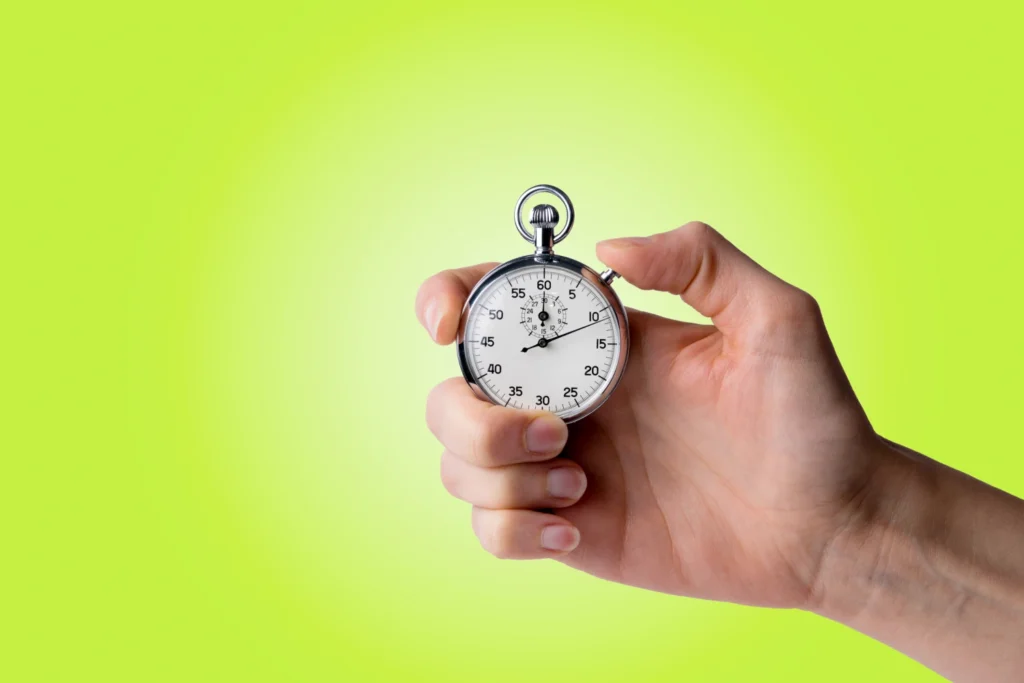
When you’re stuck between two decent options, the real problem usually isn’t “not knowing what to do.” It’s the mental gridlock that comes from trying to find a perfect answer in a situation that doesn’t have one.
A simple 5-second decision hack can break that loop—without spreadsheets, overthinking, or asking five friends for opinions you’ll ignore anyway.
This approach is fast, surprisingly revealing, and works best for low-stakes choices where you’re already basically 50/50.
Why quick decisions feel so hard (even when the choice is small)
Indecision often comes from “analysis paralysis”: your brain keeps scanning for more certainty, more data, or a better option. But with many everyday decisions—what to eat, which task to start, whether to go out tonight—more thinking doesn’t produce better outcomes. It just burns energy.
Common reasons you get stuck include:
- Fear of regret: you imagine the downside of the “wrong” pick.
- Perfectionism: you treat a small decision like it defines you.
- Decision fatigue: your willpower is already depleted.
- Hidden preference: you actually want one option more, but won’t admit it.
The 5-second “externalize the choice” hack
The trick is to outsource the tie-breaker to something neutral, then pay close attention to your immediate reaction. It takes seconds because it doesn’t require debate—only awareness.
How to do it (in under 5 seconds)
Use this when both options are acceptable and you’re just stuck.
- Name the two options clearly. Example: “Gym” vs. “Walk outside.”
- Assign each option to a side. Heads = gym, tails = walk.
- Decide instantly. Use an actual coin or a quick coin flip.
- Notice your first feeling. Relief? Disappointment? A tiny “ugh”? That’s data.
- Follow the feeling, not the randomness. If you’re disappointed, choose the other option.
What this hack really reveals (and why it works)
This isn’t “letting chance run your life.” It’s a shortcut to expose your preference without dragging yourself through a courtroom-style argument. Your emotional response arrives faster than your rationalizations.
In practice, the flip does one of two helpful things:
- Confirms the tie: you feel genuinely fine either way, so you move on.
- Breaks the denial: you realize you were leaning one way all along.
If the result makes you feel lighter, you’ve found your answer. If it makes you resist, you’ve also found your answer.
Best uses (and when not to use it)
This hack shines in everyday decisions that don’t require deep research. It’s especially useful when speed matters more than optimization.
Great for
Use it for choices like:
- Which task to start first
- What to eat from two solid options
- Whether to run errands now or later
- Which movie to watch
- Picking between two similar purchases within budget
Skip it for
Avoid it when stakes are high or consequences are long-term, such as medical decisions, major financial commitments, or safety-related choices. In those cases, the right “hack” is a checklist, expert input, and time.
FAQ
Q: Is this just flipping a coin to decide my life?
A: No—think of it as a mirror. The outcome is less important than your immediate reaction, which often reveals what you genuinely want.
Q: What if I feel nothing after the result?
A: That’s a win. It means the options are truly equal for you, so you can pick either and conserve your energy for bigger decisions.
Q: Can I use this at work?
A: Yes, for low-risk choices like prioritizing between two tasks. For strategic decisions, use it only as an initial nudge—then validate with data.
Conclusion
A fast decision hack doesn’t replace good judgment—it protects it. By externalizing a 50/50 choice and paying attention to your gut reaction, you break the loop of overthinking and get moving again.
When you’re stuck between two “fine” options, give yourself five seconds: force a result, watch your reaction, and choose the path that feels lighter. The time you save is often worth more than the perfect answer.