
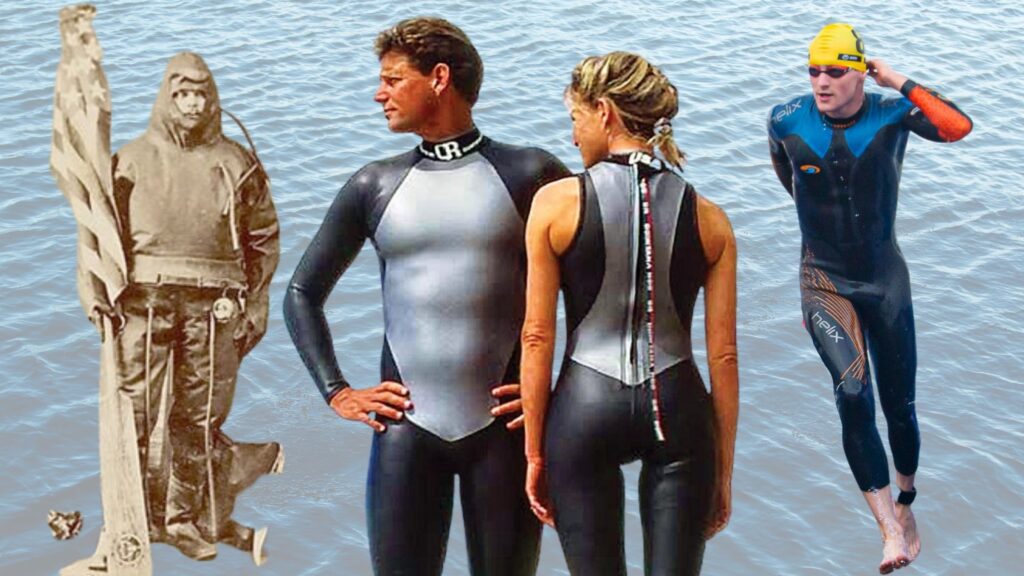
Cold water places intense thermal stress on the human body. In contrast to air, water pulls heat away rapidly, making it challenging to maintain a stable core temperature for extended periods. This is why specialised thermal swim gear has become essential for open water swimmers and cold water athletes. Understanding the science behind how this gear works reveals why it is so effective at preserving warmth and supporting performance. Through advanced insulation and controlled water layering, swimming wetsuits help the body retain warmth while allowing efficient movement in cold water conditions.
Why The Body Loses Heat So Quickly In Water?
Human bodies lose heat in water up to 25 times faster than in air. This happens because water conducts heat efficiently and constantly flows around the skin, carrying warmth away. As body temperature drops, muscles become less efficient, reaction times slow, and fatigue increases. The body responds by diverting energy toward heat production, reducing the energy available for swimming.
Effective heat retention is not about keeping the swimmer completely dry. Instead, it is about slowing heat transfer so the body can maintain equilibrium without excessive energy loss.
How Thermal Swim Gear Traps Warmth?
The primary mechanism behind heat retention lies in controlled insulation. Modern suits are designed to trap a thin layer of water between the body and the material. Once this water layer warms from body heat, it acts as a thermal buffer. Because the water is held in place, it does not circulate freely, which significantly reduces ongoing heat loss.
This principle allows the body to maintain warmth without overheating. As activity levels increase, excess heat can still dissipate gradually, creating a balanced thermal environment that adapts to effort and conditions.
Material Science And Insulation Properties
The effectiveness of heat retention depends heavily on material composition. Advanced synthetic fabrics are engineered with closed-cell structures that resist water flow while remaining flexible. These microscopic air pockets enhance insulation by slowing heat transfer from the body to the surrounding water.
At the same time, elasticity is crucial. Rigid materials restrict movement and reduce efficiency. Modern designs balance insulation with stretch, allowing natural swimming motion while maintaining thermal protection. This balance is what differentiates high-performance swim gear from older, bulkier designs.
The Role Of Fit In Temperature Control
Proper fit plays a critical role in thermal efficiency. A suit that is too loose allows water to flush through, constantly replacing warm water with cold. A well-fitted design minimises water movement while remaining comfortable. This snug fit ensures the insulating water layer stays stable, maximising heat retention.
Seam construction also matters. Smooth, sealed seams reduce water entry points and improve insulation consistency across the body. Strategic panel placement helps maintain warmth in key areas such as the torso, where heat retention is most important.
Heat Retention And Muscle Performance
Maintaining warmth directly affects muscle efficiency. Cold muscles contract more slowly and tire faster. By keeping muscles closer to optimal operating temperature, thermal swim gear supports smoother stroke mechanics and sustained power output.
This temperature stability also improves joint mobility and reduces stiffness, allowing swimmers to maintain proper form for longer durations. Over extended sessions, these benefits compound, contributing to improved endurance and reduced injury risk.
Buoyancy And Energy Efficiency
In addition to insulation, thermal swim gear provides slight buoyancy. This lift helps swimmers maintain a streamlined position in the water, reducing drag. Less drag means less energy expenditure, which indirectly supports heat retention by reducing metabolic strain.
When the body works more efficiently, it generates and retains heat more effectively. This synergy between buoyancy and insulation enhances overall performance in cold conditions.
Adaptation To Changing Conditions
Open water environments are unpredictable. Temperature gradients, currents, and wind exposure can vary throughout a swim. Thermal swim gear adapts by maintaining a stable internal temperature despite external fluctuations. This consistency helps swimmers remain calm and focused, even when conditions change unexpectedly.
Confidence also plays a role. Knowing that the body is protected from rapid heat loss allows swimmers to relax and conserve energy, further improving thermal regulation.
Science Applied To Real World Performance
The science behind swimming wetsuits demonstrates that effective heat retention is a combination of insulation, fit, material engineering, and hydrodynamics. By slowing heat loss without restricting movement, swimming wetsuits allow athletes to swim longer, maintain technique, and perform more consistently in cold water.
Rather than fighting the environment, swimmers equipped with proper thermal protection work in harmony with it, turning challenging conditions into manageable and rewarding experiences.